Environmental Sustainability
Tiger Supplies takes a structured, measurable and practical approach to environmental sustainability. Our focus is on reducing environmental impact across operations, supply chain and logistics while maintaining service performance, resilience and commercial responsibility. Sustainability is embedded within our ISO-certified management systems and overseen at Board level, ensuring accountability, transparency and continual improvement.
Environmental Management Framework
Environmental performance at Tiger Supplies is governed through a UKAS-accredited ISO 14001 Environmental Management System. This provides a structured framework for identifying environmental risks, setting objectives, monitoring performance and driving continuous improvement across the business.
Environmental data and performance are reviewed regularly through formal management review processes, with outcomes escalated to Board level. This ensures sustainability initiatives remain aligned with operational reality, legal obligations and long-term strategic objectives.
Tiger Supplies is committed to:
• Net Zero operations by 2040
• Continued reduction of Scope 1 and Scope 2 emissions
• Progressive expansion of Scope 3 reporting
• Alignment with ISO 14001, ISO 14064 and GHG Protocol standards
• Practical, measurable sustainability improvements that support both environmental and commercial outcomes
Environmental sustainability at Tiger Supplies is not treated as a standalone initiative. It is embedded into how the business operates, plans and invests for the long term.

Carbon Reduction & Energy Management
Tiger Supplies operates a formal Carbon Reduction Plan with a clear pathway toward Net Zero by 2040. Science Based Targets are in place and form part of our environmental management framework, supported by active monitoring of greenhouse gas emissions across Scopes 1 and 2, with Scope 3 reporting being progressively expanded.
Energy Management
Energy usage is recorded monthly and reviewed at Board level. Initiatives implemented to reduce energy consumption include:
• Transition to low-energy LED lighting across operational sites, supported by motion sensors
• Modernisation of HVAC systems to improve efficiency
• Investment in automation to reduce energy-intensive manual processes
• Elimination of gas heating from operational sites
These measures reduce both energy consumption and operating costs while improving consistency and control.

Fleet & Transport Emissions
Fleet emissions represent a key focus area within the Carbon Reduction Plan.
Tiger Supplies has made sustained investment in transitioning its vehicle fleet from traditional petrol and diesel vehicles to hybrid and electric alternatives. This transition is supported by on-site EV charging infrastructure and is aligned with a broader strategy to reduce Scope 1 emissions year-on-year.
Logistics emissions are further reduced through a centralised distribution model that maximises load consolidation and minimises empty running. Regional and national distribution partners operate modern, Euro VI-compliant fleets and are actively investing in lower-carbon fuels and electrification trials.
Where required, verified carbon data provided by logistics partners is used to support transparent reporting without duplication of calculations.

Waste Reduction & Circular Practices
Tiger Supplies operates as a zero-to-landfill business. All waste generated on site is either recycled or converted to refuse-derived fuel (RDF).
Current waste performance includes:
• Over 80 percent of waste recycled
• Remaining waste diverted from landfill via RDF
• Continuous monitoring of waste streams and volumes
Waste reduction initiatives include:
• On-site cardboard corrugation to reuse packaging as void fill
• Reuse of supplier packaging where appropriate
• Reduction of single-use packaging
• Increased segregation of recyclable materials
• Digitisation of processes to reduce paper consumption
These initiatives reduce environmental impact while also improving operational efficiency.

Sustainable Packaging
Packaging strategy is designed to minimise material use while maintaining product protection and compliance.
Tiger Supplies actively works with suppliers to:
• Reduce unnecessary packaging
• Increase recycled content
• Maximise recyclability
• Eliminate avoidable plastics
Current packaging performance includes:
• 70–80 percent recycled content across packaging materials, with a target of 100 percent
• 100 percent recyclable cartons and void-fill materials
• Optimised pallet wrapping to reduce plastic consumption
• Reuse of cardboard off-cuts as void fill
Packaging performance is measured using KPIs such as kilograms per order, recycled content percentage and recycling rates, which can be included within regular management information reporting.

Responsible Materials Sourcing
Tiger Supplies is committed to responsible sourcing of raw materials, components and finished products. This commitment is embedded within procurement processes and supplier approval frameworks.
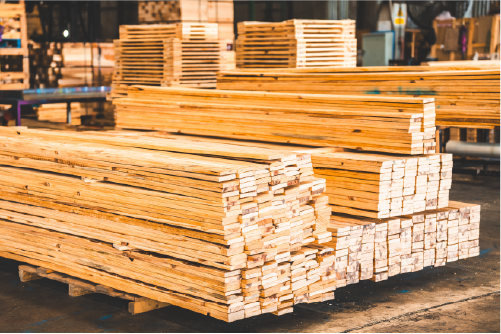
Where timber-based products are supplied, sourcing is restricted to FSC or PEFC-certified manufacturers. While Tiger Supplies does not hold its own Chain of Custody certification as a distributor, full certification evidence can be provided via approved suppliers.
Information collected and monitored includes:
• Country of harvest
• Timber species
• Supplier certification status
This approach ensures compliance while supporting sustainable forestry practices.
Biodiversity & Environmental Protection
Tiger Supplies recognises the importance of biodiversity and ecosystem protection as part of its wider environmental responsibility.
Biodiversity considerations are integrated into the ISO 14001 management system and supported by a dedicated Biodiversity Policy.
Initiatives include:
• Development and maintenance of green spaces at operational sites
• Installation of bird boxes, bug hotels and hedgehog habitats
• Wildflower planting to support pollinators
• Protection of local habitats through responsible site management
Progress is reviewed annually through environmental reporting and Board-level oversight.

Water Use & Environmental Controls
Tiger Supplies’ operations are not water-intensive and do not involve industrial or chemical discharge. Water usage is limited to standard welfare facilities and is monitored at site level.
Measures in place include:
• Low-flow fixtures
• Monitoring of welfare water usage
• No discharge to land, air or water beyond normal sanitary systems
While a formal water reduction plan is not required due to the nature of operations, responsible use and monitoring remain embedded practices.

Sustainable Procurement & Supply Chain Engagement
Environmental sustainability extends beyond internal operations into the supply chain.
Tiger Supplies works proactively with suppliers to:
• Identify lower-impact product alternatives
• Reduce packaging and material intensity
• Improve environmental performance across product ranges
• Support circular economy principles
Environmental data is continuously enhanced through supplier engagement and product matrices that are reviewed and updated regularly. Progress and improvements can be shared as part of scheduled review meetings.

Measurement, Reporting & Continuous Improvement
Environmental performance is tracked through defined metrics including:
• Energy consumption
• Fleet emissions
• Waste volumes and recycling rates
• Packaging KPIs
• Carbon reduction progress
This data forms a baseline for year-on-year improvement and is reviewed as part of formal management and Board review processes. Sustainability initiatives are treated as ongoing operational improvements rather than static commitments.

Biodiversity and Natural Environment
Tiger Supplies recognises the importance of biodiversity to the health of the environment, local communities and future generations. We are committed to protecting and enhancing biodiversity across our operational sites and through responsible business practices.
Our approach includes:
• Supporting natural habitats through the creation and maintenance of green spaces at our facilities
• Implementing biodiversity initiatives such as bird boxes, bug hotels, hedgehog habitats and wildflower planting
• Minimising disruption to local ecosystems through responsible site management
• Integrating biodiversity considerations within our ISO 14001 Environmental Management System
• Promoting biodiversity awareness among colleagues, suppliers and partners
Progress against biodiversity objectives is monitored through our environmental management processes and reviewed at senior management and Board level to ensure continual improvement.

Water Management and Discharge
Tiger Supplies is committed to responsible water management and the prevention of environmental pollution.
Given the nature of our operations, water usage is primarily limited to welfare and office facilities. We operate with no industrial or chemical discharge.
Our controls include:
• Monitoring water usage at site level
• Use of water-efficient fixtures and facilities
• Regular inspection and maintenance to prevent leaks and wastage
• Compliance with all relevant environmental and drainage regulations
Water performance is reviewed as part of our wider environmental monitoring and continuous improvement programme.

Operational Sustainability Initiatives
Alongside our strategic environmental commitments, Tiger Supplies delivers practical, measurable sustainability initiatives across day-to-day operations.
Key initiatives include:
• PPE and workwear recycling schemes in partnership with specialist recycling providers
• In-house digital printing and branding capabilities, significantly reducing external transport and associated emissions
• Paperless workflows and digital documentation to reduce paper consumption
• On-site cardboard reuse systems for packaging and void fill
• Ongoing reduction of single-use plastics through product and packaging redesign
• Promotion of low-carbon commuting through Cycle to Work and flexible working arrangements
These initiatives support our transition towards a more circular, resource-efficient operating model and contribute directly to our Net Zero and environmental performance objectives.