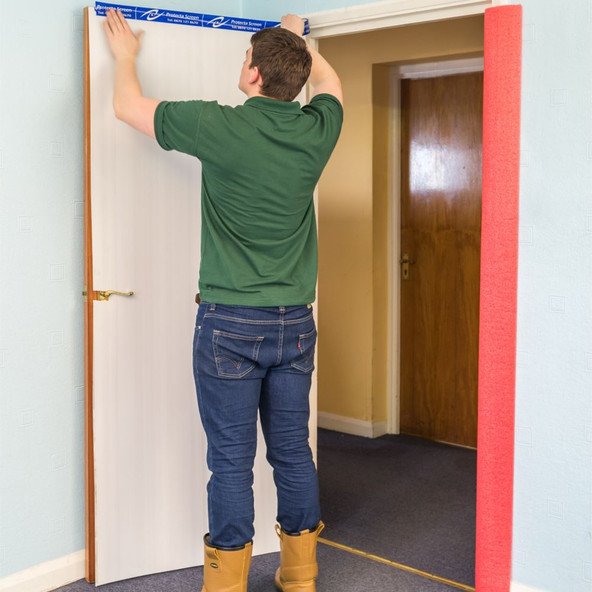
What is temporary door protection used for?
Temporary door protection is used to help reduce scratches, impact damage, dust, paint splashes and other site-related marks during construction, refurbishment, decorating and fit-out work.
What is the difference between a door protector, door cover and door sleeve?
A door protector is a broad term for products that help protect doors or frames. A door cover or protection sheet typically shields the door surface, while a door sleeve provides fuller temporary coverage around the door, depending on the product design.
Do you supply internal door protectors and internal door frame protectors?
Yes. This range includes products suitable for protecting internal doors, door frames, jambs and edges during construction, refurbishment and finishing work.
Which products help protect door frames during construction?
Door frame protectors, foam door jamb protectors, PVC jamb protection and related edge protection products help reduce accidental knocks, scuffs and impact damage around frames and access points.
Are door covers suitable for decorating and painting work?
Yes. Door covers, door protection sheets and related temporary door protection products can help shield doors from paint splashes, dust, dirt and general decorating mess, subject to the product specification.
Do you stock door protection sheets and door protection sleeves?
Yes. The range includes door protection sheets and door sleeves for temporary coverage during construction, refurbishment and fit-out stages.
Are flame-retardant door protection options available?
Selected door sheets, door sleeves and foam protection products are listed with flame-retardant specifications. Buyers should review the individual product details to confirm the exact rating and suitability.
What should businesses check before ordering door and frame protection?
Procurement teams should check the area that needs protecting, whether the requirement is for the door face, frame, jamb or edge, the product dimensions, material type, fire-retardant details where relevant and the level of expected site exposure.