

Ear Defenders
Shop our range of ear defenders and ear muffs, EN352 certified, SNR rated from 25dB to 36dB, and suited to construction, industrial and outdoor environments. Also, explore our Ear Protection range for full hearing safety.
FREE delivery on all orders over £75.00*. More info
Shop our range of ear defenders and ear muffs, EN352 certified, SNR rated from 25dB to 36dB, and suited to construction, industrial and outdoor environments. Also, explore our Ear Protection range for full hearing safety.
Shop our range of ear defenders and ear muffs, EN352 certified, SNR rated from 25dB to 36dB, and suited to construction, industrial and outdoor environments. Also, explore our Ear Protection range for full hearing safety.


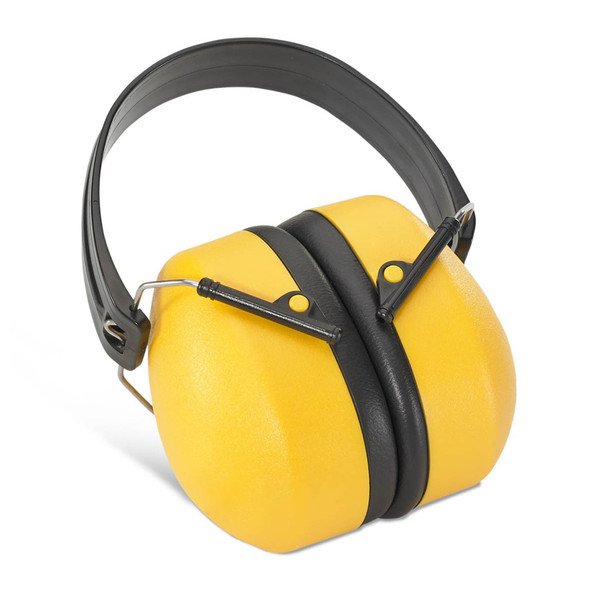

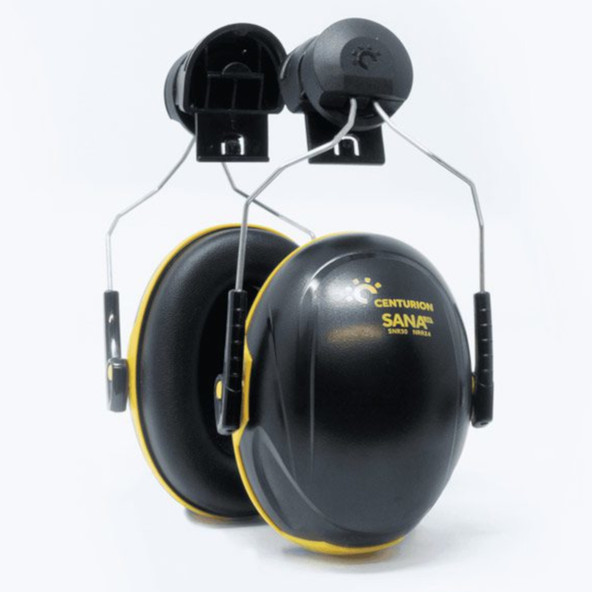
Ear defenders, also called ear muffs, protect your hearing by sealing cushioned cups over your ears to physically block noise. Under the Control of Noise at Work Regulations 2005, employers must provide hearing protection where noise reaches 80 decibels, and it becomes compulsory at 85 decibels or above, as identified through a workplace noise risk assessment. Our range is EN352 certified, with SNR ratings from 25dB to 36dB, so you can match the right level of attenuation to your working environment. They're part of our wider Ear Protection range, which also covers ear plugs and hearing protection dispensers.
SNR (Single Number Rating) shows how many decibels a pair of ear defenders can reduce noise by. For example, an SNR of 35 brings a 100 dB noise source down to around 65 dB. For a more detailed picture, HML values break attenuation down across three frequency bands: H (High, 2000-8000Hz), M (Medium, 1000-2000Hz) and L (Low, 63-1000Hz), useful if your workplace noise is concentrated at a particular pitch, such as low-frequency machinery. Getting the SNR right matters as much as getting the fit right – too little attenuation leaves you exposed, while too much can cut you off from warning sounds and conversation unnecessarily.
| Noise Level (dB) | Recommended SNR |
|---|---|
| 85-90 dB | SNR 20 or less |
| 90-95 dB | SNR 20-30 |
| 95-100 dB | SNR 25-35 |
| 100-105 dB and above | SNR 30 or more |
| Risk Level | Approx dB | Example Noise Source |
|---|---|---|
| Safe | 60-80 dB | Normal conversation, car driving, busy traffic |
| Risky | 90-100 dB | Drilling concrete, sandblasting, band saws, grinding and cutting wheels, concrete pouring |
| Harmful | 110-130 dB | Nail guns, chainsaws, riveting hammers |
EN352-1 covers standard, standalone ear defenders that come with their own headband and can be worn on their own. EN352-3 covers ear defenders designed to attach directly to a safety helmet rather than being worn independently. If you need a combined hard hat and ear defender solution, our Hard Hat Ear Defenders range is built specifically for that. For more on choosing between ear defenders and ear plugs, read our Ear Defenders vs Ear Plugs guide. Hearing protection is just one part of a complete safety kit – browse our full PPE range for head, eye, hand and foot protection too.
Ear defenders are earmuffs with two cushioned cups that seal over your ears, held by a headband. They physically block noise rather than filtering it electronically.
No, ear defenders reduce noise rather than eliminate it. Their SNR rating shows how many decibels they cut, bringing loud noise down to a safer, more comfortable level.
Ear defenders use passive, physical sound blocking with no electronics involved, while noise-cancelling headphones use active technology to counter sound waves. Our ear defenders are all passive PPE.
As a guide, SNR 20 or less suits 85-90 dB, SNR 20-30 suits 90-95 dB, SNR 25-35 suits 95-100 dB, and SNR 30 or more suits 100-105 dB and above.
EN352-1 covers standard standalone ear defenders worn with their own headband. EN352-3 covers ear defenders designed to attach directly to a safety helmet, so check compatibility before buying.
Some of our ear defenders are helmet-compatible, including the Centurion Sana range and JSP Big Blue. For a combined solution, see our Hard Hat Ear Defenders range instead.
Replace ear defenders when the foam cushions harden, tear or lose their seal, as this reduces attenuation. Check headband tension and cushion condition regularly to keep protection at its best.











Website © Copyright Tiger Supplies 2026. *Terms and conditions apply. All prices are exclusive of VAT unless otherwise specified.