

Hazard Signs
Hazard signs are essential visual tools used to communicate potential dangers and risks in various environments. These signs play a crucial role in promoting safety, preventing accidents, and raising awareness about potential hazards.
FREE delivery on all orders over £75.00*. More info
Hazard signs are essential visual tools used to communicate potential dangers and risks in various environments. These signs play a crucial role in promoting safety, preventing accidents, and raising awareness about potential hazards.
Hazard signs are essential visual tools used to communicate potential dangers and risks in various environments. These signs play a crucial role in promoting safety, preventing accidents, and raising awareness about potential hazards.


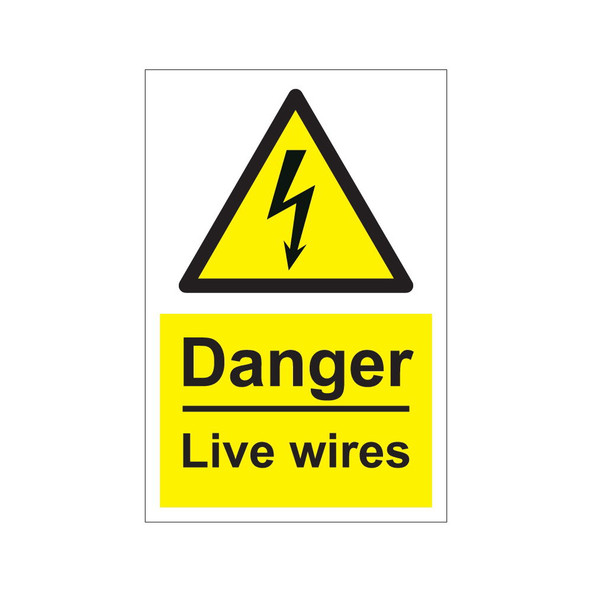


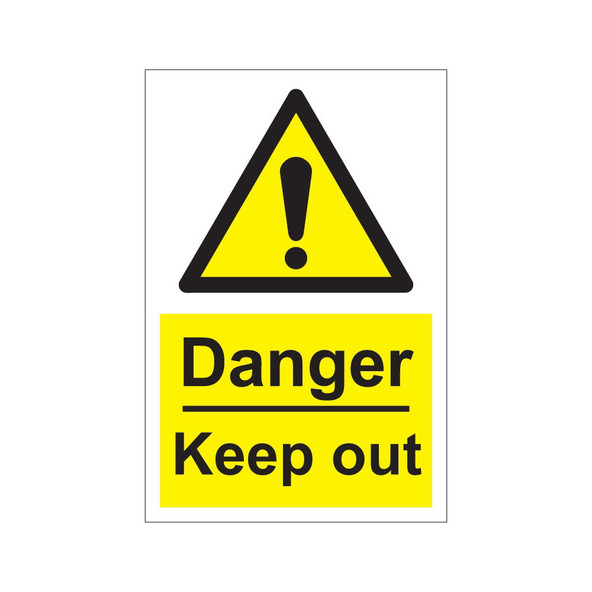


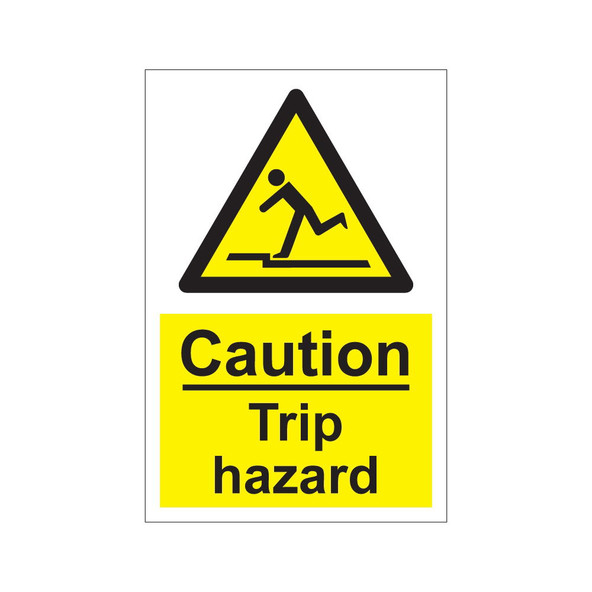
Workplace hazards can arise in a wide range of environments, from construction sites to industrial facilities. Without clear visual warnings, individuals may be exposed to risks they are not immediately aware of, increasing the likelihood of accidents.
At Tiger Supplies, our Hazard Signs range is designed to highlight potential dangers clearly, helping businesses improve awareness, reduce risks, and maintain safer working environments.
Our Hazard Signs range covers key categories used to communicate different types of risks, ensuring individuals can quickly recognise and respond to potential dangers.
Construction Site Hazard Signs
These signs are used to highlight common risks found on active sites, such as moving equipment, uneven surfaces, or falling objects. They help improve awareness in environments where conditions can change frequently.
Electricity Hazard Signs
Electricity hazard signs warn of risks related to electrical systems, including exposed wiring or high-voltage areas. They are essential for preventing accidental contact and supporting safer working practices.
Fire Hazard Signs
Fire hazard signs identify areas where flammable materials or fire risks are present. They help reinforce awareness and encourage appropriate precautions to reduce the likelihood of fire-related incidents.
Miscellaneous Hazard Signs
These signs cover a wide range of potential dangers that may not fall into standard categories. They provide flexibility for communicating specific risks unique to different workplaces.
Scaffolding Hazard Signs
Scaffolding hazard signs highlight risks associated with working at height, unstable structures, or falling objects. They help ensure individuals take appropriate precautions in these high-risk areas.
Hazard signs are widely used across UK industries where identifying and communicating risks is essential to maintaining safe and controlled operations.
Construction & Infrastructure Projects
Hazard signage helps highlight site-specific dangers, ensuring workers and visitors are aware of risks before entering active areas. Clear warning signs support safer movement, reinforce site rules, and help reduce incidents in constantly changing environments.
Manufacturing & Industrial Facilities
Workplaces with machinery, materials, and operational processes rely on hazard signs to communicate risks and support safer working practices. They help reinforce caution around equipment, controlled processes, and areas where exposure to hazards may be higher.
Warehousing & Logistics
In fast-moving environments, hazard signage helps identify risks such as vehicle movement, storage hazards, and restricted areas. Clear warnings improve awareness for employees and visitors while supporting safer navigation through busy operational spaces.
Commercial & Facilities Management
Offices and managed buildings use hazard signs to highlight potential risks and ensure occupants are aware of safety considerations. This supports safer day-to-day operations, clearer communication, and better control of areas where risks may not be immediately obvious.
Identify Potential Hazards
Assess your workplace carefully to determine the risks that need to be communicated, such as electrical dangers, fire risks, unstable surfaces, moving equipment, or height-related hazards. Selecting signage based on real workplace conditions ensures messages remain relevant and effective.
Use Clear and Recognisable Symbols
Choose signage that uses standard symbols, colours, and layouts so messages can be understood quickly by employees, visitors, and contractors. Clear visual communication helps reduce confusion and supports a more consistent response across different working environments.
Position Signs Near Risk Areas
Install hazard signs close to the source of risk so individuals can recognise dangers before exposure. Correct placement improves decision-making, gives people time to react appropriately, and helps maintain safer movement through higher-risk parts of the workplace.
Ensure Visibility in All Conditions
Signs should remain clear and visible in different lighting, weather, and environmental conditions to maintain effectiveness. Good visibility helps ensure hazard warnings continue to perform properly in busy areas, outdoor spaces, or locations with reduced natural light.
Improving Risk Awareness
By drawing attention to potential dangers before exposure, hazard signs help individuals recognise risks early and take appropriate precautions. This improves awareness across the workplace and supports safer decisions in areas where hazards may otherwise be overlooked.
Supporting Accident Prevention
Clear warnings reduce the likelihood of unsafe actions by making risks visible and understandable. Hazard signs help prevent injuries, incidents, and disruption by reinforcing caution in areas where workers, visitors, or contractors may be exposed to danger.
Standardising Safety Communication
Using recognised symbols, colours, and formats ensures messages are understood consistently across different teams, locations, and working conditions. This creates a more structured approach to safety communication and helps businesses maintain clarity across the site.
Reinforcing Safety Responsibility
Displaying hazard signs supports a proactive safety culture by encouraging awareness, accountability, and compliance with workplace procedures. Clear visual reminders help ensure that risks remain visible and that safety expectations are consistently reinforced across operations.
Different hazard signs are used to communicate specific risks depending on the environment and type of activity taking place.
Construction Hazard Signs
Used to highlight risks such as heavy machinery, unstable ground, overhead work, or falling materials, construction hazard signs help maintain awareness in dynamic site conditions. They support safer movement and reinforce caution in areas where hazards can change quickly throughout the day.
Electrical Hazard Signs
Applied in areas with electrical risks, these signs warn individuals to exercise caution and follow safe working procedures. They help communicate dangers around exposed wiring, high-voltage zones, electrical panels, and equipment where contact or misuse could lead to serious injury.
Fire Hazard Signs
Used to identify fire risks and flammable materials, fire hazard signs help ensure appropriate precautions are taken in sensitive areas. They are especially important where heat, fuel, chemicals, or combustible materials create conditions that require clear warnings and stronger risk awareness.
Scaffolding Hazard Signs
These signs focus on risks related to working at height, unstable structures, restricted access, or falling objects. By reinforcing awareness and caution, scaffolding hazard signs help reduce incidents and improve safety in areas where elevated work creates additional exposure to danger.
Hazard signage plays a key role in improving awareness and helping individuals make safer decisions across the workplace. By clearly identifying risks before exposure occurs, businesses can reduce uncertainty, reinforce safe behaviour, and support better day-to-day control of their environments. Effective signage also helps maintain consistency across different areas, ensuring that warnings remain visible, understood, and relevant in real operational conditions where risks may change throughout the working day.
Tiger Supplies supports businesses with dependable Hazard Signs designed for real working environments. Our range is selected to provide clear, durable, and practical signage solutions that help businesses communicate risks effectively, improve awareness across operational areas, and maintain safer working conditions. With strong stock availability and fast UK delivery, Tiger Supplies helps businesses keep safety messaging visible, consistent, and ready for immediate use across construction, industrial, warehouse, and commercial environments.
What are hazard signs used for?
Hazard signs are used to warn individuals about potential risks or dangers in a specific area, helping improve awareness and reduce accidents. They support safer behaviour by making risks clearly visible before people enter or work within those environments.
Where should hazard signs be placed?
They should be positioned close to the source of risk so individuals can recognise potential dangers before entering the area. Correct placement helps ensure warnings are seen at the right time and supports safer decision-making in the workplace.
How do hazard signs improve workplace safety?
By clearly identifying risks, hazard signs help individuals take appropriate precautions and avoid unsafe behaviour. They improve awareness, reduce uncertainty, and support a more controlled working environment where hazards are easier to recognise and manage.
What types of hazards do these signs cover?
They cover a wide range of risks, including electrical, fire, structural, and general workplace hazards. Different signs are used to communicate different dangers clearly, helping businesses match warnings to the conditions present in each area.
Do all workplaces require hazard signage?
Most workplaces require hazard signage to ensure risks are clearly communicated and safety is maintained. Wherever there is a potential danger that individuals need to recognise quickly, appropriate signage supports safer and more compliant operations.
How do businesses choose the right hazard signs?
By assessing workplace risks and selecting signage that clearly communicates those hazards in a visible and understandable way. The right choice depends on the environment, the type of danger present, and where warnings need to be seen.










Website © Copyright Tiger Supplies 2026. *Terms and conditions apply. All prices are exclusive of VAT unless otherwise specified.