

Gloves
Shop our work gloves range, covering cut resistant, grip, waterproof and thermal styles, all EN388 rated for reliable hand protection. Also, explore our Disposable Gloves range for single-use hygiene needs.
FREE delivery on all orders over £75.00*. More info
Shop our work gloves range, covering cut resistant, grip, waterproof and thermal styles, all EN388 rated for reliable hand protection. Also, explore our Disposable Gloves range for single-use hygiene needs.
Shop our work gloves range, covering cut resistant, grip, waterproof and thermal styles, all EN388 rated for reliable hand protection. Also, explore our Disposable Gloves range for single-use hygiene needs.
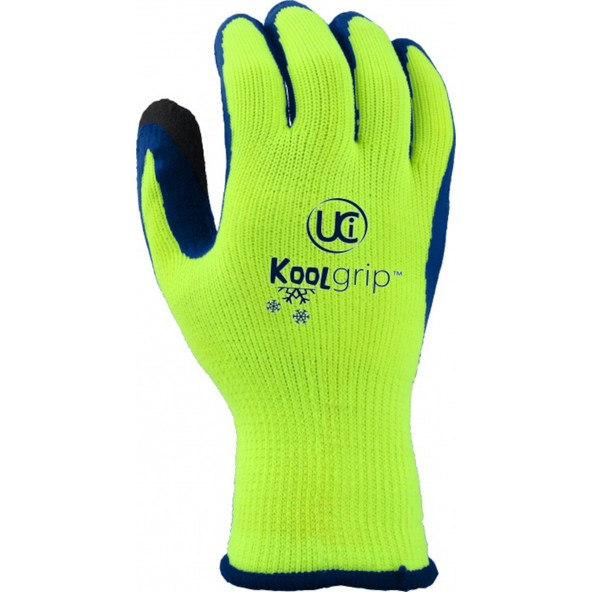
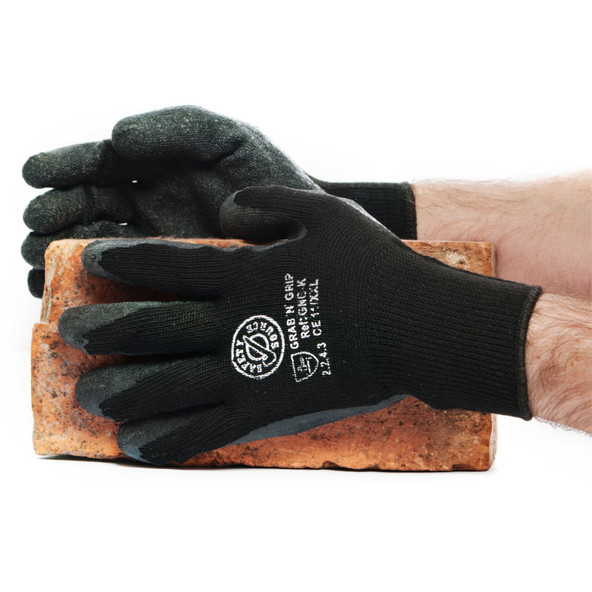


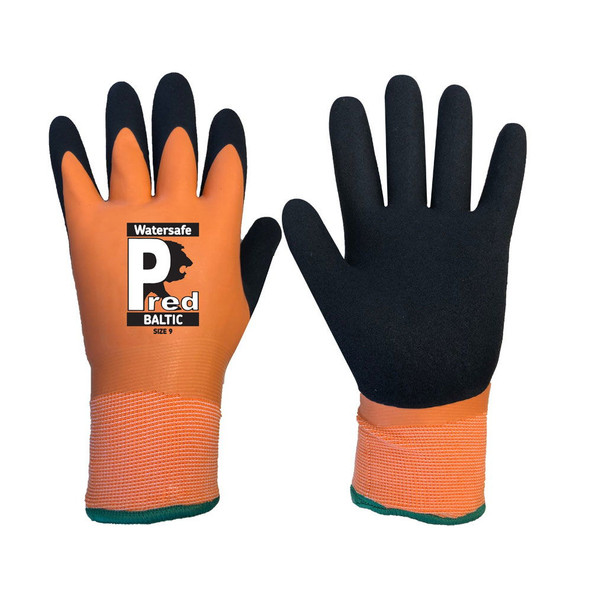
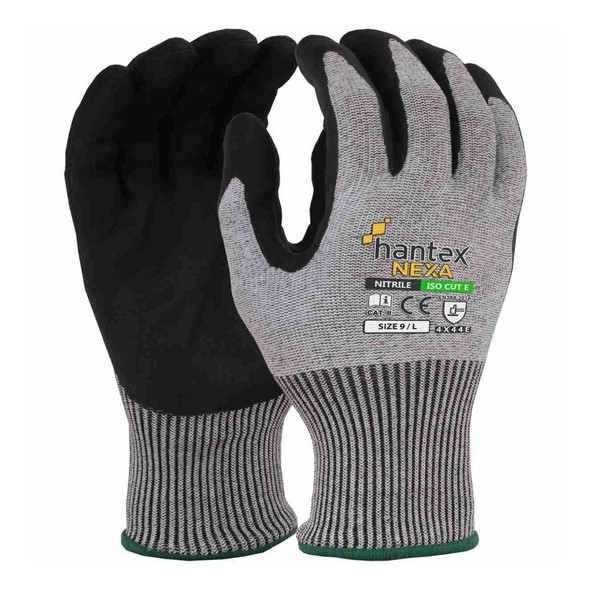


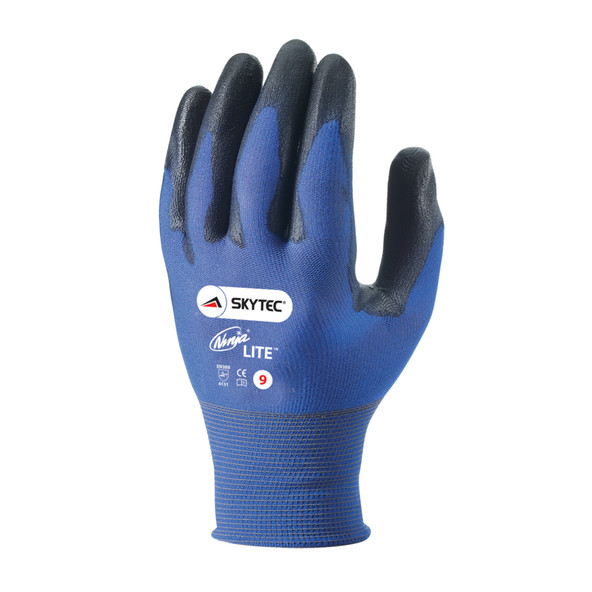
Our work gloves range covers cut-resistant, grip, thermal, waterproof, rigger and anti-vibration styles, so you can match the right protection to the job rather than a one-size-fits-all glove. All gloves are tested to EN388, the European standard for mechanical risks such as abrasion, cut, tear and puncture. They're part of our wider Gloves & Gauntlets range, which also covers disposable and single-use options.
EN388 is the European standard for gloves against mechanical risks, covering abrasion, cut, tear and puncture resistance. Since the 2016 revision, cut resistance is also shown as a letter from A (lowest) to F (highest) alongside the numeric score. Lower cut levels suit light handling with minimal sharp-edge risk, while higher levels are built for metalwork, glass handling or genuine laceration hazards. For a full breakdown of what each number and letter means, read our EN388 Gloves Explained guide. If you need single-use protection instead of a reusable glove, see our Disposable Gloves range.
Our range covers cut-resistant, general handling and grip, thermal, waterproof, rigger and anti-vibration gloves. The right type depends on the risk you're protecting against on site.
Work gloves should fit snugly with no loose material at the fingertips, which can reduce dexterity and catch on machinery. Too tight restricts movement and causes fatigue over a shift.
EN388 tests gloves against mechanical risks including abrasion, cut, tear and puncture, shown as a series of numbers and a cut letter from A to F on newer gloves.
Lower cut levels such as A or B suit light handling with minimal sharp edge risk. Higher levels like E or F suit metalwork or tasks with a laceration hazard.
Some are, including our Watersafe range with a latex coating to the wrist for wet conditions. Check the individual product listing, as not every glove in the range is waterproof.
Mechanics gloves are a type of work glove built for dexterity and grip around tools and machinery, usually with padded knuckles. General work gloves cover a wider range of tasks.
Use anti-vibration gloves for tasks involving power tools that transmit high-frequency vibration, such as drills and grinders, to help reduce the risk of hand-arm vibration syndrome.











Website © Copyright Tiger Supplies 2026. *Terms and conditions apply. All prices are exclusive of VAT unless otherwise specified.