

£16.01 Inc. VAT
£13.34 Ex. VAT
FREE delivery on all orders over £75.00*. More info







Clear, consistent communication is essential for maintaining safe and organised working environments. Without effective signage, risks may go unnoticed, instructions may be unclear, and overall site control can be compromised.
At Tiger Supplies, our Signage range is designed to support hazard communication, reinforce safety instructions, and help businesses maintain workplace safety compliance across a wide range of environments.
Our Signage range covers essential categories used to communicate safety instructions, highlight risks, and guide behaviour across different working environments.
Temporary Traffic Signs
Temporary traffic signs are used to manage movement and provide clear instructions in changing or short-term conditions. They help guide vehicles and pedestrians safely, particularly in roadworks and active site environments.
Mandatory Signs
Mandatory signs provide clear instructions that must be followed, such as wearing personal protective equipment. They help enforce safety rules and ensure consistent behaviour across the workplace.
Prohibition Signs
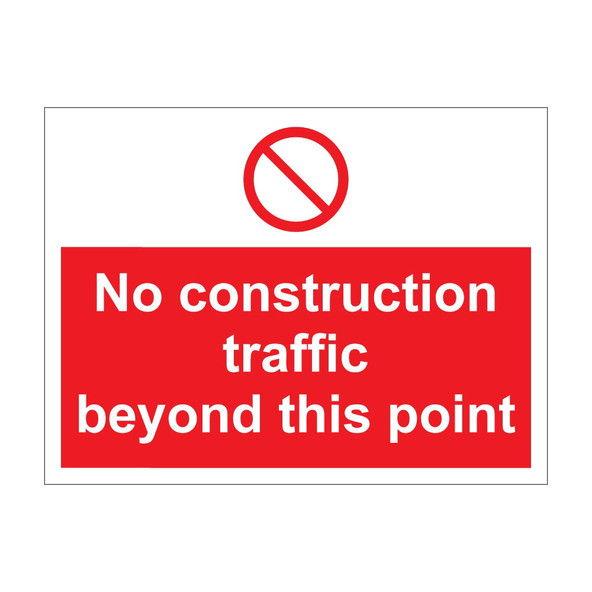
Prohibition signs indicate actions that are not allowed, helping prevent unsafe behaviour. They are essential for controlling risks and maintaining safe working conditions in restricted or hazardous areas.
Hazard Signs
Hazard signs are used to highlight potential dangers, allowing individuals to recognise risks before entering an area. They support awareness and help reduce the likelihood of accidents.
Safe Condition Signs
Safe condition signs provide information about emergency exits, first aid points, and safe routes. They help guide individuals during normal operations and emergency situations.
Fire Equipment Signs
These signs identify the location of fire safety equipment, ensuring it can be quickly located during emergencies. Clear marking supports faster response and improves overall fire safety readiness.
General Signs
General signage covers a wide range of informational and directional uses, helping businesses communicate instructions and maintain organised environments.
Posters & Publications
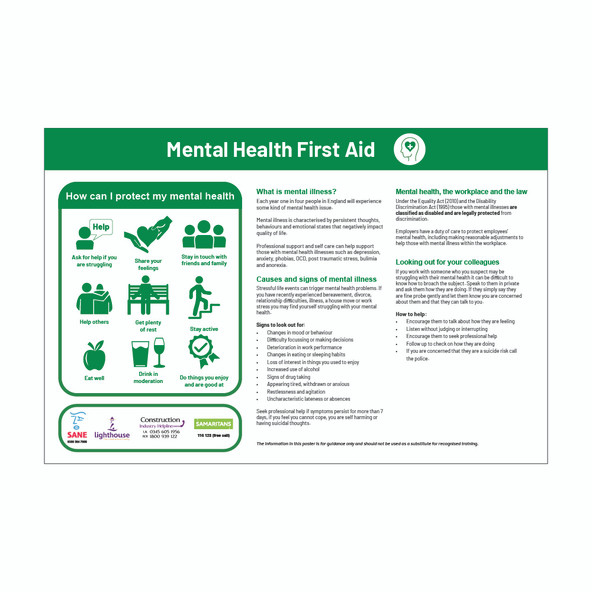
Posters and publications provide additional guidance, safety information, and best practices. They support awareness and help reinforce workplace procedures.
Sign Fixings
Sign fixings ensure signage is securely installed and positioned correctly. Proper installation is essential to maintain visibility and ensure signage remains effective over time.
Signage is widely used across UK industries where clear communication, safety instructions, and hazard awareness are critical to maintaining safe and efficient operations.
Construction & Infrastructure Projects
Signage helps communicate risks, enforce safety rules, and guide movement across active sites, ensuring hazards are clearly identified and understood by workers and visitors.
Warehousing & Logistics
In fast-moving environments, signage supports safe navigation, improves awareness, and helps manage interactions between vehicles and personnel.
Manufacturing & Industrial Facilities
Workplaces with machinery and operational risks rely on clear signage to highlight hazards and guide safe working practices.
Commercial & Facilities Management
Offices, retail spaces, and managed buildings use signage to communicate instructions, support safety compliance, and guide visitors effectively.
Identify Communication Needs
Determine whether signage is required to warn, instruct, restrict, or guide behaviour based on the risks present across your site.
Match Sign Type to Purpose
Different signage categories serve different functions. Choosing the correct type ensures that messages are clear and appropriate for the situation.
Ensure Visibility and Clarity
Signs should be easy to read, well-positioned, and clearly visible so they can be understood quickly in real working conditions.
Maintain Consistency Across Site
Using consistent signage across all areas helps reinforce understanding and ensures that instructions are followed correctly.
Effective signage depends not only on content but also on how and where it is displayed. Poor placement or low visibility can reduce the effectiveness of even the most important safety messages.
Signs should be positioned at eye level where possible and placed close to the relevant hazard or instruction point. High-contrast designs and clear symbols improve readability, especially in busy or low-light environments, ensuring messages are seen and understood quickly.
Signage plays a key role in supporting hazard communication, guiding behaviour, and maintaining structured working environments. When used effectively, it helps reduce risks, improve awareness, and support safe day-to-day operations across a wide range of sites.
Tiger Supplies supports businesses with dependable Signage solutions designed for real working environments.
With strong stock availability and fast UK delivery, Tiger Supplies helps businesses maintain clear, compliant, and well-organised environments without disruption.
Why is signage important in the workplace?
Signage helps communicate hazards, instructions, and safety procedures clearly, reducing risks and ensuring employees and visitors can navigate environments safely and confidently.
What types of signage are required on-site?
The required signage depends on workplace risks, including hazard warnings, mandatory instructions, and emergency guidance to support safe and compliant operations.
Where should signage be installed?
Signage should be placed near hazards, access points, and key decision areas where instructions need to be clearly visible and understood by all individuals on-site.
How does signage support compliance?
Clear and appropriate signage helps businesses meet safety requirements by ensuring hazards and instructions are communicated effectively and consistently.
How do businesses choose the right signage?
By assessing risks and communication needs, businesses can select signage that clearly conveys the right message in the right location.
How often should signage be reviewed?
Signage should be checked regularly to ensure it remains visible, relevant, and in good condition to support ongoing safety and compliance.











Website © Copyright Tiger Supplies 2026. *Terms and conditions apply. All prices are exclusive of VAT unless otherwise specified.